
Stuart Lochhead Sculpture is pleased to present Beyond the Visible: Symbolism and its Legacies, an exhibition exploring the extraordinary diversity of one of the most influential artistic movements of the late nineteenth century.
Bringing together an exceptional selection of paintings and sculptures, the exhibition examines Symbolism not as a unified movement, but as a constellation of artistic languages that developed across Europe. From mystical allegories and introspective portraits to dreamlike landscapes and the influence of Japanese art, the works on display reveal the movement’s remarkable breadth.
Highlights include a rare cast of Auguste Préault’s pioneering Silence (1848). Conceived for a funerary monument in Paris, the work stands as a remarkable precursor to the imagery that would later become synonymous with Symbolism. The sculpture's enigmatic figure, gently pressing a finger to her lips, transformed silence into a visual metaphor for mystery, self-introspection, and hidden knowledge. This cast, which showcases a unique green and gold patination, predates the exhibition of the first exhibition of a bronze version in Paris in 1849.
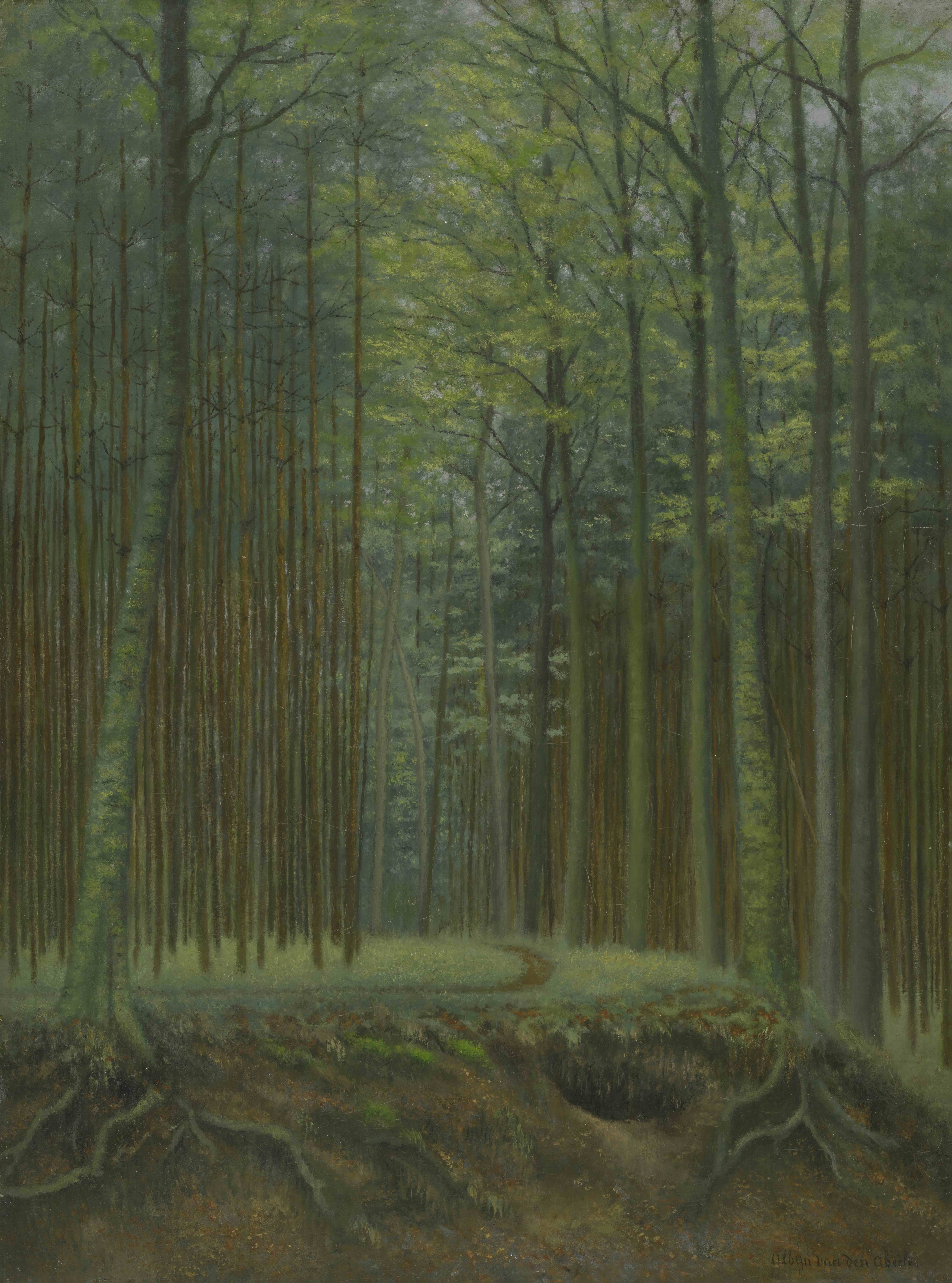
The exhibition also highlights the central role of Belgium in the development of Symbolist aesthetics. Binus van den Abeele’s evocative landscape, Beech and Fir Trees, Shortly after the Rain (1898), exemplify the paysage d'âme (landscape of the soul), in which nature becomes a reflection of inner states rather than an objective description of the external world. This poetic conception of landscape finds a powerful counterpart in George Minne’s introspective Oraison, one of the most significant sculptures of the Sint-Martens-Latem circle and a profound meditation on spirituality, suffering and human solitude.
The show continues with Japoniste works by Jean-Joseph Carriès and Jules Desbois, and masterpieces by Maurice Denis and Adolfo Wildt.

Spanning the period from the 1840s to the early twentieth century, the exhibition traces the evolution of Symbolist ideas across different national traditions while revealing the enduring fascination with mystery, spirituality, and the unseen that united these artists.Rather than offering a single definition of Symbolism, it invites visitors to discover the many forms through which artists sought to transcend the visible world and give expression to the psychological.